Why B2B SEO is Deterministic Information competition (And Categorically Not a Bad Joke)
The joke is over. For C-Level executives in maritime logistics, SaaS-Security, or global manufacturing, SEO is not a humor piece — it is the decisive weapon in the battle for Enterprise Procurement dominance and algorithmic market authority.

The Abolition of the SEO Joke in Enterprise
There was once a time when comparing SEO to a bad joke made sense: opaque, unpredictable, occasionally absurd in its results. That era is permanently closed.
In 2026, confusing B2B Enterprise SEO with a random, patience-dependent process is no longer a harmless misunderstanding — it is a strategic disaster with measurable financial consequences. If your competitor in maritime logistics software algorithmically dominates the Enterprise Procurement and your company is filtered out of AI syntheses as irrelevant while you wait for "organic growth through patience," that is not a joke. It is seven-figure market share loss, executed silently.
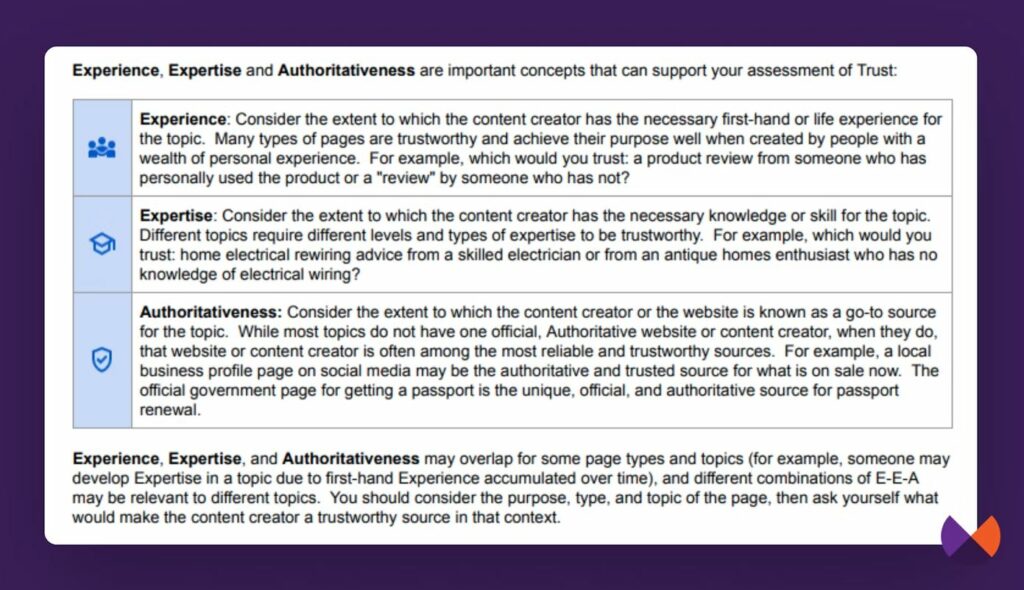
B2B Enterprise SEO is deterministic information competition. Not through keyword repetition. Not through telling the same content punchlines louder. But through the precise, cryptographic injection of machine-readable authority signals into the exact algorithmic layers from which C-Level decision-makers derive their procurement decisions.
1. The Enterprise Procurement: The Invisible Battlefield
The fundamental miscalculation behind all "SEO is like a bad joke" narratives is treating the visible web as the primary theater of B2B decision-making. For Enterprise segments — SaaS security architectures, industrial logistics platforms, manufacturing software — the visible web has long ceased to be the primary purchasing channel.
CTOs and CISOs in 2026 increasingly use generative AI systems (Google SGE, Perplexity Pro, private OpenAI Enterprise integrations) as their primary research layer. These systems do not synthesize search result pages — they generate direct answers based on trained entity graphs. If your company is not anchored as a verified, machine-readable entity within those graphs, it simply does not exist inside the Enterprise Procurement.
Furthermore, over 80% of final B2B purchasing decisions flow through entirely invisible channels: encrypted Slack channels, Signal groups among Procurement Managers, asynchronous email forwards, and private peer recommendations. No classical Google Analytics tracking captures these vectors. Organizations that fail to feed these channels through systemic authority architecture lose business silently, without ever knowing a deal was in play.
2. JSON-LD Entity Graphs: The Weapon Behind the Punchline
The opposite of the "SEO joke" narrative is not "SEO is serious content marketing." The opposite is: SEO is code architecture.
The single most impactful SEO action for a B2B Enterprise company in 2026 is not writing another blog post. It is the precise implementation of JSON-LD Schema.org entity graphs directly within the DOM tree of the company website. These structured data packages formally and machine-readably declare:
- Your Executive Board as verified
Personentities with concreteknowsAboutfields (e.g.,maritimeLogisticsAPI,ISO28000Compliance,ZeroTrustNetworkArchitecture) - Your Core Competencies as
Serviceentities linked to specificareaServedattributes (Europe, DACH, APAC, global) - Your ISO Certifications and audit results as mathematically verifiable
Certificationentities - Your Case Studies as
CaseStudyobjects with quantifiedmeasurementTechniqueand outcome attributes
Every AI system crawling these graphs — whether Google SGE, Perplexity, or a private Enterprise AI agent — will no longer process your company as "an interesting blog author." It classifies you as an indispensable, cryptographically verified reference authority within your sector. That is the difference between being cited in a C-Level AI synthesis and being invisible.
3. Latency as Hard SEO Currency
The "SEO-as-joke" mentality focuses on keywords and content. The Enterprise reality of 2026: server latency is the hardest ranking signal in play.
A Chief Information Security Officer at a German pharmaceutical manufacturer is evaluating SaaS security platforms. He opens five browser tabs simultaneously. Three load in under 400ms. Two require 2.1 seconds. The psychological impact is immediate and permanent: the slow vendors are mentally categorized as "technologically weak" — before a single content comparison occurs.
Modern AI crawlers (SGE bots, Perplexity indexing agents) evaluate the exact same signal: Time-to-First-Byte (TTFB) as the primary health indicator of web architecture. Platforms on Vercel Edge Networks with consistent sub-50ms TTFB are preferentially indexed and embedded at higher priority within AI syntheses.
At MyQuests, latency optimization is not an optional "performance bonus." It is a non-negotiable SEO prerequisite for every B2B Enterprise platform we architect — as fundamental as the entity graph itself.
4. Zero-Trust Algorithms: No Mercy for Ad Copy
The deepest error behind the "SEO joke" metaphor is assuming algorithms can be impressed — by clever language, charming headlines, or persistent repetition. That was 2012. Not 2026.
Current Google crawl algorithms, the SGE synthesis layer, and specialized B2B research AIs operate under the Zero-Trust Principle: no marketing claim is accepted without structured data proof. "We are the market leader in the DACH region" is toxic noise to an algorithm — unless a Schema.org data point anchors that claim as a machine-readable fact with a verifiable source URL.
This has direct operational consequences for your content strategy:
- Every competency claim must be grounded in
JSON-LDstructured data - Every case study must exist as a structured
ItemListobject with quantified outcomes - Every expert voice must be declared as a
Personentity with verifiableurlattributes pointing to authoritative sources - Every geographic market claim must be backed by
areaServedfields at entity level
This is not a creative task. It is systems architecture. And it cannot be outsourced to a copywriter.
5. The Anatomy of a Enterprise Procurement Purchase Decision
Understanding why the joke metaphor collapses entirely requires understanding how actual B2B Enterprise purchase decisions execute in 2026.
A logistics conglomerate based in Hamburg needs a new API integration partner for its port management software. The process does not begin with a Google search. It begins when the CTO instructs his AI assistant: "Synthesize the top three technically verified API architecture firms operating in the European maritime logistics sector."
The AI agent executes. It pulls from trained entity graphs, from Perplexity-indexed content, from Schema.org-anchored organizational data. If your firm's entity graph is sparse, your architectural expertise is undeclared, and your TTFB signals weakness — you are not in the synthesis. You never get a call. You never even know the opportunity existed.
This is the Enterprise Procurement. And it is not a joke.
The Deterministic Metrics for B2B SEO 2026
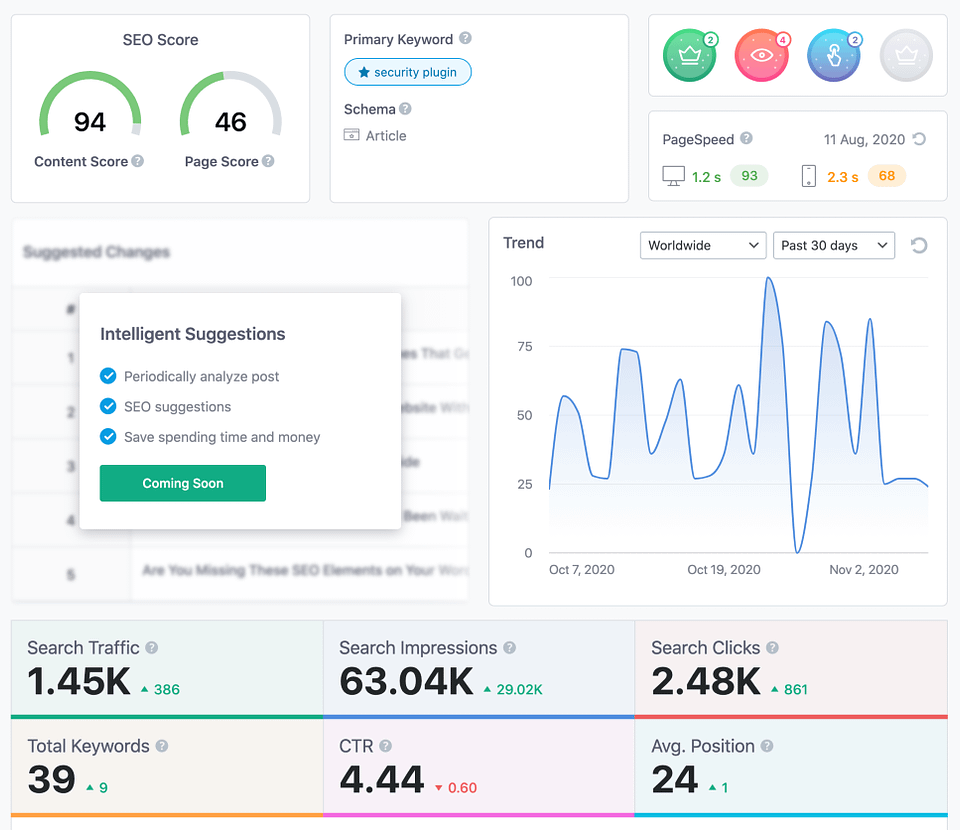
If your current SEO reporting consists of "rankings," "keyword positions," and "organic traffic," you are measuring the wrong variables for the game being played:
| Obsolete B2C Joke-Metric | Deterministic B2B Enterprise Metric | Operative C-Level Relevance |
|---|---|---|
| Keyword Position #1 on Google | Enterprise Procurement AI Reference Rate | Is your company output as primary reference in SGE/Perplexity syntheses without prompt? |
| Monthly Organic Traffic Volume | Asynchronous Due-Diligence Penetration | How many invisible Enterprise Procurement touchpoints does your entity graph generate per month? |
| Backlink Count | JSON-LD Entity Density & Verification Depth | How many of your competencies are machine-readable and algorithmically verified? |
| Time-on-Page & Bounce Rate | Edge-Latency TTFB (P99 <50ms) | Does your server architecture qualify you algorithmically as technologically competent? |
| Content Output Volume | Semantic Authority Depth Per Article | Does each article generate new entity linkages or is it algorithmically valueless noise? |
Conclusion: The Elimination of the Joke
Comparing SEO to a bad joke was once a charming metaphor for the frustrations of early search engine optimization. That metaphor is definitively dead by 2026.
Organizations that continue treating SEO as an opaque random process where "it eventually pays off" are systematically surrendering market position to competitors who treat the system as a deterministic weapon. The decision is not made in the Google search results page. It is made in the moment a generative AI confronts a C-Level decision-maker with: "Which company dominates this technology category?" — and outputs your competitor's name. Not because they produce funnier content. Because they command the information architecture.
If you are ready to treat SEO for what it actually is — a precise, deterministic architecture project — our Consulting Team is standing by. We do not write jokes. We encode market dominance.



![The Enterprise SEO Illusion: Why B2B Enterprise Procurement Search Rejects B2C 'Ranking Factors' [2026]](/insights/images/hero-web-design.png)